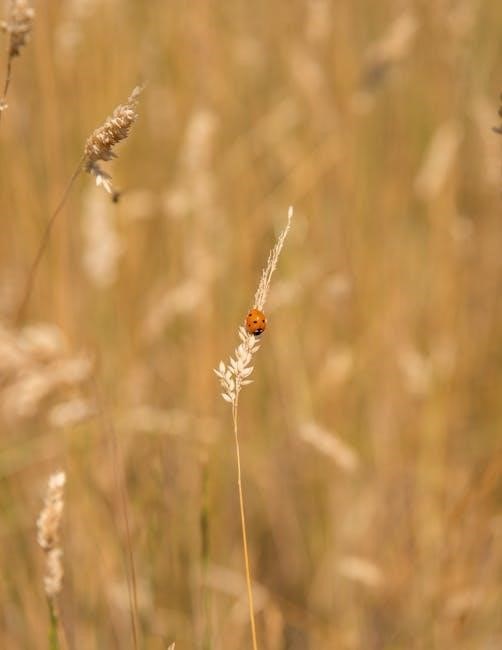
Safer Insect Killing Soap is a gentle, effective solution for controlling pests like aphids and mealybugs. Made from natural soaps, it’s safe for use around pets and children when applied as directed.
Overview of Safer Insect Killing Soap
Safer Insect Killing Soap is a natural, gentle, and effective pest control solution designed to target common garden and household pests. Made from selected soaps with insecticidal properties, it works on contact to eliminate insects like aphids, mealybugs, and adelgids. This product is safe for use around children and pets when applied according to label directions; It is biodegradable and environmentally friendly, making it a popular choice for eco-conscious users; The soap must be mixed fresh and applied directly to insects for optimal results, avoiding high temperatures and hard water conditions that may reduce effectiveness.
Importance of Following Instructions
Following the instructions for Safer Insect Killing Soap is crucial for effective pest control and safety. Proper application ensures insects are sprayed directly, as the soap works on contact. Using hard water or applying in temperatures above 90°F can reduce effectiveness. Always mix fresh solutions and avoid improper use, as it may violate federal law. Wearing protective gear and following label guidelines protects users and the environment. Adhering to instructions ensures the product remains safe for pets, children, and beneficial insects while maintaining its eco-friendly properties. Correct usage also prevents legal issues and guarantees optimal results against target pests.
Ingredients and Composition
Safer Insect Killing Soap contains selected soaps with insecticidal properties and seaweed extract. It is biodegradable, environmentally friendly, and safe to use around pets and children.
Active Ingredients in Safer Soap
Safer Insect Killing Soap primarily contains selected soaps with insecticidal properties. These soaps disrupt insect cell membranes, leading to rapid death. The formula includes seaweed extract, enhancing effectiveness. It is biodegradable and non-toxic, making it safe for the environment. The active ingredients are gentle on plants but lethal to pests like aphids and mealybugs. This composition ensures the product is EPA-compliant and suitable for use around pets and children when applied correctly. The soap’s natural ingredients minimize environmental impact while providing reliable pest control for gardeners and farmers seeking eco-friendly solutions.
Role of Seaweed Extract
Seaweed extract in Safer Insect Killing Soap enhances its effectiveness by providing additional nutrients and improving the soap’s ability to adhere to insect surfaces. This natural ingredient helps maximize the insecticidal properties of the soap, ensuring better pest control. It also contributes to the product’s eco-friendly profile, as seaweed is a sustainable and biodegradable component. The extract works synergistically with the soap to create a formulation that is both potent against pests and gentle on plants, making it a key factor in the soap’s overall performance and environmental safety.
Eco-Friendly and Biodegradable Components
Safer Insect Killing Soap is formulated with eco-friendly and biodegradable components, making it a sustainable choice for pest control. The soap is derived from natural ingredients and breaks down easily in the environment, minimizing harm to ecosystems. Its biodegradability ensures it does not persist in soil or water, reducing long-term ecological impact. Additionally, the product is free from harsh chemicals, aligning with environmentally responsible practices. This makes it a safer option for gardens, pets, and wildlife while maintaining effective pest control properties.
Usage Instructions
Always follow the label guidelines for safe and effective use of Safer Insect Killing Soap. Mix the solution as directed and apply thoroughly to target areas. Ensure proper coverage for optimal results while minimizing harm to beneficial plants and organisms. Regular applications at the right intervals will help maintain pest control effectively.
How to Mix the Solution
Mix 1 to 2 tablespoons of Safer Insect Killing Soap with 1 gallon of water. Stir thoroughly to ensure the soap dissolves completely. For smaller batches, adjust proportions accordingly. Avoid over-concentrated solutions, as they may harm plants. Use soft or distilled water if possible, as hard water can reduce effectiveness. Apply the solution within 24 hours of mixing, as it loses potency over time. Always test on a small plant area first to ensure no adverse reactions. Proper mixing ensures safe and effective pest control.
Proper Application Methods
Apply Safer Insect Killing Soap in the early morning or late afternoon to avoid direct sunlight. Use a fine spray to cover all plant surfaces, including the underside of leaves where pests hide. Ensure thorough coverage for maximum effectiveness. Avoid applying during hot or windy conditions, as this can reduce efficacy. Do not over-saturate plants, as excessive moisture may cause leaf damage. Repeat application every 7-10 days, depending on pest severity. For best results, spray plants when pests are most active. This method ensures targeted control while minimizing harm to beneficial organisms.
Recommended Dilution Ratios
For optimal results, mix Safer Insect Killing Soap at a rate of 1 to 2 tablespoons per gallon of water. Adjust the concentration based on pest severity, ensuring not to exceed the maximum label-recommended rate. Use soft or filtered water to prevent hardness issues that may reduce effectiveness. Avoid over-diluting, as this can lower efficacy. Always follow the product label instructions precisely to ensure safety for plants and the environment. Proper dilution balances pest control and plant protection, making it essential for successful application.
Safety Precautions
Wear gloves, protective eyewear, and avoid inhalation. Keep away from children and pets. Avoid ingestion. Ensure proper ventilation during application to prevent respiratory irritation.
Handling and Protective Gear
When handling Safer Insect Killing Soap, wear long sleeves, gloves, and protective eyewear to avoid skin and eye irritation. Avoid breathing in the solution by using a mask. Ensure no food or drink is consumed during application. Keep the product away from open flames or sparks. Wash hands thoroughly after use, even when gloves are worn. If skin contact occurs, rinse immediately with clean water. In case of eye exposure, flush with water for 15 minutes. Proper ventilation is essential to prevent respiratory discomfort. These precautions ensure safe and effective use of the product.
Storage and Disposal Guidelines
Store Safer Insect Killing Soap in its original container, tightly sealed, in a cool, dry place. Keep it away from direct sunlight, heat sources, and flammable materials. Ensure the product is out of reach of children and pets. For disposal, follow local regulations for hazardous waste if required. If unused or mixed with water, dispose of it according to environmental guidelines. Proper disposal helps protect the environment and ensures safety. Always check the label for specific instructions to comply with local laws and minimize ecological impact.
SAFE for Use Around Pets and Children
Safer Insect Killing Soap is generally safe for use around pets and children when applied as directed. Its eco-friendly formula is non-toxic and gentle, reducing risks of harm to people and animals. However, it’s important to keep the product out of reach of children and pets to avoid accidental ingestion. Avoid spraying directly on animals or in areas where pets frequent. Always follow label instructions to ensure safety and effectiveness while protecting your family and the environment from pests responsibly.
Target Pests and Effectiveness
Safer Insect Killing Soap effectively targets soft-bodied pests like aphids, whiteflies, and spider mites. It gently eliminates insects without harming plants or beneficial pollinators.
Common Pests Controlled by Safer Soap
Safer Insect Killing Soap is highly effective against a wide range of common garden and household pests. It targets soft-bodied insects like aphids, whiteflies, spider mites, and mealybugs, while also controlling scale insects and psyllids. The soap breaks down the exoskeleton of these pests, leading to rapid dehydration and death. It is particularly gentle on plants and beneficial insects, making it an eco-friendly solution for gardens and indoor spaces. Regular use ensures long-lasting protection without harming the environment or non-target species.
How Insecticidal Soap Works
Insecticidal soap works by breaking down the protective cuticle or exoskeleton of insects, causing dehydration and ultimately leading to their death. The fatty acids in the soap penetrate the insect’s outer layer, disrupting cell membranes and interfering with normal bodily functions. This method is most effective on soft-bodied pests like aphids, mites, and scale insects. The soap does not target plants or beneficial insects, making it a selective and environmentally friendly pest control option. It is essential to apply the soap directly to the insects for optimal results.
Factors Affecting Effectiveness
Water hardness, temperature, and application timing significantly impact insecticidal soap’s performance. Optimal results occur with soft water and temperatures between 40°F and 90°F, avoiding direct sunlight.
Water Quality and Hardness
Water quality and hardness play a crucial role in the effectiveness of Safer Insect Killing Soap. Soft water is ideal, as it allows the soap to dissolve and spread evenly on surfaces. Hard water, containing high levels of minerals like calcium and magnesium, can reduce the soap’s effectiveness by forming a residue that inhibits its ability to penetrate insect exoskeletons. Using distilled or filtered water is recommended to minimize this issue. Additionally, avoiding water with high pH levels ensures optimal performance, as alkalinity can degrade the active ingredients over time.
Temperature and Timing of Application
The effectiveness of Safer Insect Killing Soap is influenced by temperature and timing. Apply the solution when temperatures are between 40°F and 90°F (4°C and 32°C) for optimal results. Avoid spraying during direct sunlight or extreme heat, as this can cause evaporation and reduce efficacy. Early morning or late evening applications are ideal to minimize exposure to beneficial insects and prevent leaf burn. Avoid spraying if rain is expected within 24 hours, as it may wash away the solution. Repeat applications every 7-10 days to ensure thorough pest control. Always test a small area first to ensure plant tolerance.
Environmental Impact
Safer Insect Killing Soap is biodegradable and non-toxic to the environment, minimizing harm to ecosystems and beneficial organisms like bees when used as directed.
Biodegradability of Safer Soap
Safer Insect Killing Soap is biodegradable, breaking down naturally in the environment without persisting or causing long-term ecological harm. Its plant-based active ingredients and seaweed extract ensure it decomposes quickly, reducing environmental risk. This makes it safer for waterways, soil, and wildlife compared to synthetic pesticides. The soap’s eco-friendly composition aligns with sustainable gardening practices, minimizing its ecological footprint. Additionally, its compliance with EPA standards guarantees it meets rigorous environmental safety criteria, ensuring it does not adversely affect non-target species or ecosystems. Using Safer Soap supports environmentally responsible pest control while maintaining garden health.
Impact on Beneficial Insects
Safer Insect Killing Soap is designed to minimize harm to beneficial insects like bees, ladybugs, and butterflies. Since it is derived from plant-based ingredients, it selectively targets pests while sparing non-target species. Unlike synthetic pesticides, it does not persist in the environment, reducing the risk of indirect exposure. However, to protect beneficial insects, apply the soap in the early morning or evening when these insects are less active. This responsible use ensures a balanced ecosystem while maintaining pest control. Always follow the label instructions to avoid unintended effects on beneficial insects.
Tools and Equipment Needed
Essential tools include a sprayer, measuring cups, gloves, and protective eyewear. Clean equipment thoroughly after use to prevent contamination and ensure effective application.
Recommended Sprayers for Application
For effective application, use a clean, stainless steel or plastic sprayer with adjustable nozzles. Handheld or backpack sprayers are ideal for small areas, while garden hose sprayers cover larger spaces. Ensure the sprayer is free from residue and has a fine spray setting to evenly coat plants. Avoid using galvanized metal sprayers, as they may react with the soap. Regularly clean and maintain the sprayer to prevent clogging and ensure precise application; Always test the sprayer before use to confirm proper function and pressure settings.
Additional Tools for Effective Use
Besides sprayers, gloves and goggles protect during application. Measuring cups ensure accurate dilution. A bucket mixes large batches effectively. Ladders reach tall plants, while soft sponges or brushes target delicate areas. pH test strips adjust water quality. Pruning shears remove infested sections. These tools enhance safety, precision, and thoroughness in applying safer insect killing soap, ensuring optimal results without overlapping with sprayer functions.
Troubleshooting Common Issues
Address reduced efficiency, heavy infestations, and environmental factors. Adjust application timing, ensure proper dilution, and avoid hard water for optimal results.
Reduced Efficiency in Hard Water
Hard water can reduce the effectiveness of Safer Insect Killing Soap due to high mineral content, such as calcium and magnesium. These minerals can bind to the soap’s active ingredients, decreasing their ability to penetrate insect cuticles. To address this, use distilled or filtered water for mixing, or add a small amount of white vinegar to stabilize the solution. Adjusting the dilution ratio slightly may also help improve efficacy. Regular reapplication in areas with hard water can ensure better pest control results.
Dealing with Heavy Infestations
For severe pest infestations, Safer Insect Killing Soap may require more frequent applications. Start with the recommended dilution ratio but apply every 2-3 days to break the pest life cycle. Heavy infestations may also benefit from combining the soap with neem oil or insecticidal oil for enhanced effectiveness. Avoid overconcentrating the solution, as this can harm plants. Instead, focus on thorough coverage and reapplication. Always follow the product label to ensure safety and avoid plant damage. Persistence is key to managing heavy pest populations effectively.
Preventing Future Infestations
Regularly inspect plants, maintain healthy growing conditions, and apply Safer Soap preventively to deter pests. Strong, healthy plants are less susceptible to infestations.
Regular Monitoring and Maintenance
Regularly inspect plants weekly for signs of pests, such as eggs, nymphs, or actual insects. Maintain plant health by providing adequate water, nutrients, and pruning damaged areas. Consistent use of Safer Soap as a preventative measure, applied every 14 days during the growing season, helps deter pests. Isolate new plants for a few weeks before introducing them to your garden to prevent infestation spread. Early detection and timely action are key to preventing pest buildup and ensuring long-term plant health.
Combining with Other Pest Control Methods
For enhanced pest management, Safer Soap can be integrated with other control methods. It works well with neem oil or pyrethrins for broader coverage. Introduce natural predators like ladybugs or lacewings to create a balanced ecosystem. Physical barriers, such as fine mesh, can prevent pests like aphids and whiteflies. Cultural practices, like crop rotation and pruning, also support pest control. Always test compatibility by mixing small amounts of Safer Soap with other products before full application. This integrated approach ensures long-term garden health and minimizes pest resistance.
EPA Registration and Compliance
Safer Insect Killing Soap is EPA-registered, ensuring compliance with federal regulations. This guarantees safety for humans, pets, and the environment, aligning with eco-friendly practices.
Understanding the EPA Label
The EPA label on Safer Insect Killing Soap provides essential information for safe and effective use. It includes active ingredients, usage directions, and safety precautions. The label ensures compliance with federal regulations, guaranteeing the product is safe for humans, pets, and the environment. It also outlines proper application methods and precautionary measures to avoid harm. The signal word and precautionary statements highlight safety protocols. Always read and follow the label carefully to ensure proper use and disposal, adhering to environmental protection standards. This compliance ensures the product remains a reliable choice for pest control.
Compliance with Federal Regulations
Safer Insect Killing Soap is EPA-registered, ensuring it meets strict federal safety and environmental standards. Compliance with federal regulations guarantees the product is safe for use around humans, pets, and the environment when applied as directed. The EPA registration confirms its effectiveness and non-toxic profile. Proper use, as outlined on the label, minimizes risks to people and the environment. This compliance also ensures the product is biodegradable and environmentally friendly, making it a trusted choice for eco-conscious pest control. Always follow the label to maintain compliance and safety.
Product Variations and Concentrates
Safer Insect Killing Soap is available in RTU and concentrate forms, offering flexibility for different application needs. RTU is ready for immediate use, while concentrates are cost-effective for larger areas, allowing users to customize solutions based on specific requirements. This versatility ensures the product adapts to various pest control scenarios, providing convenience and efficiency for both small and large-scale applications. Choose the right formula to match your gardening or agricultural needs for optimal results.
Differences Between RTU and Concentrate
The Safer Insect Killing Soap is available in two forms: Ready-to-Use (RTU) and concentrate. RTU products are pre-mixed and ready for immediate application, offering convenience for small-scale use. Concentrates require mixing with water according to label instructions, providing a cost-effective solution for larger areas. Both forms are equally effective, but the choice depends on the user’s needs. RTU is ideal for quick, targeted applications, while concentrates are better for extensive coverage. Always follow the mixing ratios to ensure optimal performance and safety. Proper storage of both forms is essential to maintain potency and shelf life.
Choosing the Right Product for Your Needs
Selecting between Safer Insect Killing Soap RTU and concentrate depends on your specific needs. For small gardens or spot treatments, RTU is convenient and time-saving. For larger areas or ongoing pest control, the concentrate offers better value and flexibility. Consider the severity of the infestation, the size of the area, and your personal preference for ease of use. Always store both forms properly to maintain effectiveness. Choose the option that aligns with your gardening habits and pest control goals for the best results. Proper selection ensures efficiency and cost-effectiveness.
Cost-Effectiveness and Value
Safer Insect Killing Soap is competitively priced, offering excellent value compared to chemical pesticides. Its biodegradable formula ensures long-term cost-effectiveness for gardeners seeking eco-friendly solutions.
Comparing Prices with Other Pesticides
Safer Insect Killing Soap is competitively priced, often costing less than synthetic pesticides while offering eco-friendly benefits. Its concentrate form allows users to make multiple gallons of solution, reducing long-term expenses. Compared to ready-to-use products, it provides better value for gardeners and farmers seeking sustainable pest control. While initial costs may seem higher, the ability to mix custom dilutions makes it a budget-friendly option for managing pests effectively over time. This makes it a cost-effective alternative to traditional chemical-based insecticides.
Long-Term Benefits of Using Safer Soap
Using Safer Insect Killing Soap offers long-term benefits by promoting sustainable gardening practices. It fosters healthier plants by targeting pests without harming beneficial insects, ensuring a balanced ecosystem. The eco-friendly formula minimizes environmental impact, as it is biodegradable and non-toxic to wildlife. Regular use can reduce pest resistance over time, making it more effective with continued application. Additionally, it supports soil health by avoiding harsh chemical residues, leading to stronger plant growth and resilience in the long run. This makes it a reliable choice for gardeners prioritizing sustainability and environmental well-being.
User Reviews and Feedback
Users praise Safer Soap for its effectiveness against pests without harming plants. Many appreciate its eco-friendly formula and ease of use, making it a top choice for sustainable gardening.
Positive Experiences with Safer Soap
Many users report high satisfaction with Safer Soap, praising its gentle yet effective pest control. Gardeners appreciate its versatility, working well on houseplants, vegetables, and ornamentals. The soap’s biodegradable nature and low toxicity appeal to eco-conscious users. Pet and child safety further enhance its popularity. Several reviewers highlight how it efficiently targets soft-bodied pests without harming beneficial insects like bees. Easy mixing and application are also frequently commended. Overall, Safer Soap is often recommended for its reliable performance and alignment with sustainable gardening practices, making it a trusted choice for organic pest management.
Common Complaints and Solutions
Some users report reduced effectiveness against hard-shelled insects, but this is expected as the soap targets soft-bodied pests. Others note it may not last as long as chemical pesticides, requiring more frequent applications. To address this, apply the soap every 7-10 days and ensure thorough coverage. A few users mention skin irritation during use, so wearing gloves is recommended. For optimal results, avoid mixing with hard water, as it reduces potency. Overall, these issues are manageable with proper technique, making Safer Soap a reliable and eco-friendly pest control option for most gardeners.
Safer Insect Killing Soap is a reliable, eco-friendly solution for managing pests effectively. Follow instructions carefully for optimal results and a healthier garden.
Final Tips for Successful Use
For optimal results, apply Safer Insect Killing Soap consistently and thoroughly, ensuring full coverage of plants. Repeat as directed, adjusting for severe infestations. Monitor plants regularly and adjust application timing based on pest activity and weather conditions. Reapply after heavy rain to maintain effectiveness. Store the product in a cool, dry place, away from direct sunlight and extreme temperatures. Always keep it out of reach of children and pets. By following these guidelines, you can effectively manage pests while maintaining a safe and healthy garden ecosystem.
Importance of Adhering to Instructions
Adhering to the instructions ensures the product’s effectiveness and safety for plants and the environment. Proper dilution prevents plant damage, while incorrect use may harm foliage or reduce efficiency. Following application timing and frequency avoids resistance development in pests. Protective gear safeguards against skin or eye irritation. Correct storage maintains product potency and prevents contamination. By adhering to guidelines, users achieve optimal pest control while minimizing risks to beneficial insects and ecosystems. Compliance with instructions guarantees a safe and successful pest management experience.