
What Is a Biology PDF?
A biology PDF is a digital document containing peer‑reviewed research‚ reviews‚ or educational material on life sciences. It preserves formatting‚ embeds figures‚ and supports citations‚ making it a reliable source for students and researchers worldwide. isshared in repositoriesopen access worldwide.
Definition‚ Format‚ and Role in Scientific Communication
A biology PDF is a Portable Document Format file that encapsulates research articles‚ theses‚ or review papers focused on life sciences. It preserves the original layout‚ fonts‚ and high‑resolution images‚ ensuring that complex diagrams‚ micrographs‚ and chemical structures remain intact across devices. The PDF format supports embedded hyperlinks‚ making it easy to navigate between sections‚ reference figures‚ and access supplementary datasets. In scientific communication‚ biology PDFs serve as the primary medium for disseminating peer‑reviewed findings‚ allowing authors to present data in a standardized‚ universally readable format. They facilitate rapid sharing through preprint servers‚ institutional repositories‚ and open‑access journals‚ while also providing a stable‚ archival format that can be cited reliably in subsequent literature. By embedding metadata such as author names‚ affiliations‚ DOI‚ and keywords‚ PDFs enable indexing by scholarly databases‚ enhancing discoverability and citation tracking. Moreover‚ the ability to annotate‚ highlight‚ and comment directly within the document fosters collaborative peer review and educational use. In sum‚ biology PDFs act as a bridge between raw experimental data and the broader scientific community‚ ensuring that complex biological insights are communicated clearly‚ preserved over time‚ and readily accessible to researchers‚ educators‚ and students worldwide.

Common Sources of Biology PDFs
Biology PDFs originate from open‑access journals‚ university repositories‚ and preprint servers like bioRxiv. Researchers upload manuscripts‚ theses‚ and review articles‚ enabling free‚ rapid dissemination across the scientific community. These PDFs are freely downloadable!

Open Access Journals‚ University Repositories‚ and Preprint Servers
Open‑access journals such as PLOS Biology‚ BMC Biology‚ and Frontiers in Genetics provide free‚ peer‑reviewed PDFs that are immediately available to anyone with internet access. These journals often use Creative Commons licenses‚ allowing reuse and redistribution while preserving authorship. University repositories—like MIT’s DSpace‚ Harvard DASH‚ and the University of Oxford’s Bodleian Digital Repository—host theses‚ dissertations‚ and faculty publications‚ ensuring long‑term preservation and open access. Preprint servers such as bioRxiv‚ arXiv‚ and Research Square offer early‑release manuscripts before formal peer review‚ accelerating the dissemination of new findings and fostering community feedback. Together‚ these sources create a robust ecosystem that supports rapid knowledge sharing‚ reproducibility‚ and equitable access to cutting‑edge biological research worldwide. Moreover‚ many repositories embed rich metadata—such as author affiliations‚ funding statements‚ and ORCID identifiers—facilitating advanced search and citation tracking. The inclusion of DOIs ensures persistent linking‚ while XML and JSON export options allow integration with bibliographic databases. Researchers can also annotate PDFs directly within the repository interface‚ enabling collaborative peer review before formal publication. These features collectively enhance the discoverability and scholarly impact of biological research. In addition‚ open‑access policies are increasingly mandated by funding agencies‚ encouraging authors to deposit final manuscripts in institutional repositories; This practice not only broadens public access but also supports compliance with open‑science mandates. As a result‚ the volume of freely available biology PDFs has surged‚ providing educators‚ clinicians‚ and citizen scientists with unprecedented resources for learning‚ diagnosis‚ and innovation.

Key Biological Concepts Frequently Found in PDFs
Cell structure‚ genetics‚ evolution‚ ecology‚ physiology‚ biochemistry‚ and molecular biology dominate PDF literature. Figures illustrate DNA replication‚ protein folding‚ phylogenetic trees‚ and ecosystem models‚ enabling deep visual learning. These PDFs also cover bioinformatics‚ genomics‚ and systems biology
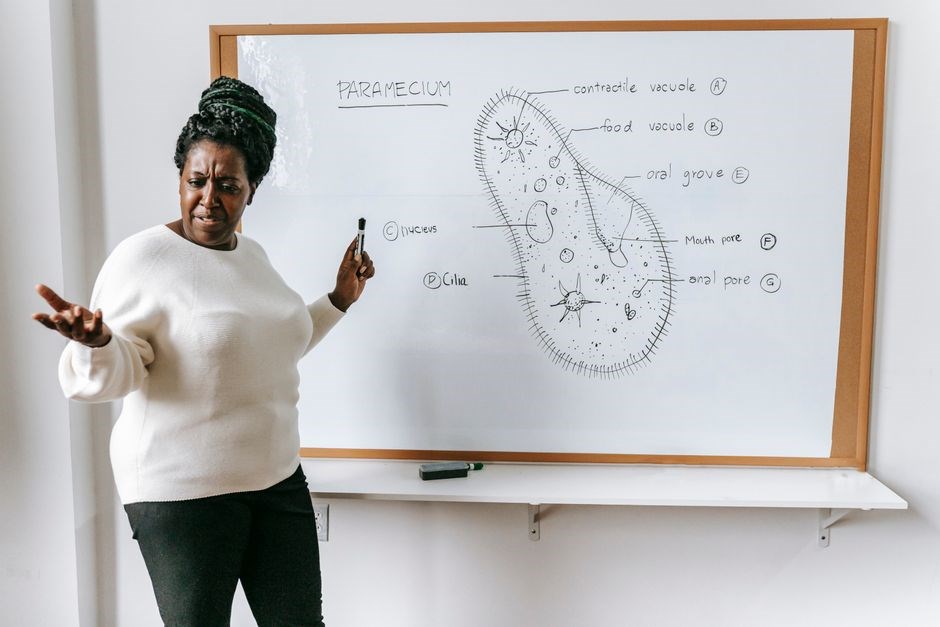
Cell Structure‚ Genetics‚ Evolution‚ Ecology‚ Physiology‚ Biochemistry‚ and Molecular Biology
Cell structure PDFs detail organelle organization‚ membrane dynamics‚ cytoskeletal mechanics‚ and subcellular compartmentalization‚ often with high‑resolution images and 3‑D reconstructions. Genetics sections cover DNA replication fidelity‚ mutation spectra‚ epigenetic regulation‚ and CRISPR‑Cas editing‚ accompanied by sequence alignments and phylogenetic trees. Evolutionary biology papers illustrate natural selection‚ adaptive radiations‚ and molecular clocks‚ using cladograms and comparative genomics data. Ecology studies focus on trophic interactions‚ biogeochemical cycles‚ and ecosystem resilience‚ supported by spatial maps and statistical models. Physiology articles explore homeostatic mechanisms‚ signal transduction pathways‚ and organ system integration‚ featuring kinetic graphs and dose‑response curves. Biochemistry texts dissect enzyme kinetics‚ metabolic fluxes‚ and structural motifs‚ with 3‑D protein models and reaction schemes. Molecular biology documents cover transcriptional regulation‚ RNA processing‚ and protein synthesis‚ often including gel images‚ Northern blots‚ and chromatin immunoprecipitation results. Together‚ these PDFs provide a comprehensive‚ visually rich resource for advanced study and research in life sciences. Additionally‚ many PDFs integrate cross‑disciplinary data‚ linking genomics to proteomics and metabolomics‚ and they frequently embed interactive figures that allow zooming into crystal structures or time‑lapse microscopy. The use of standardized citation formats and DOI links ensures traceability and reproducibility. Researchers also benefit from supplementary datasets attached as separate PDFs or embedded spreadsheets‚ enabling direct download of raw experimental values for reanalysis. Finally‚ the consistent PDF format preserves the integrity of complex figure layouts and color schemes‚ which is essential for accurate interpretation of biochemical assays and phylogenetic analyses.

Advantages of PDFs for Biology Learning
PDFs offer consistent formatting‚ searchable text‚ embedded figures‚ and annotations‚ enabling precise study of complex diagrams. Their portability across devices and long‑term archival stability support collaborative research and lifelong learning.PDFS also link
Consistency‚ Interactivity‚ Multimedia‚ Portability‚ and Archival Quality
The uniform appearance of PDFs eliminates formatting surprises that can distract from content‚ ensuring that figures appear. Interactive features such as bookmarks‚ search functions‚ and annotation tools enable learners to highlight key points‚ link to supplementary resources‚ and collaborate across institutions. Embedded multimedia‚ including animations and audio commentary‚ brings abstract concepts to life‚ making complex mechanisms more approachable. Portable design allows educators to distribute materials to students in remote or bandwidth‑limited environments‚ while still preserving the integrity of the original document. Long‑term archival standards protect the scientific record‚ allowing future researchers to access the same data and analyses as they were originally published‚ thereby fostering transparency and trust in the scientific process.
The uniform appearance of PDFs eliminates formatting surprises that can distract from content‚ ensuring that figures appear. Interactive features such as bookmarks‚ functions‚ tools enable learners to highlight key points‚ link to supplementary resources‚ and collaborate across institutions. Embedded multimedia‚ including animations and audio commentary‚ brings abstract concepts to life‚ making complex mechanisms more approachable. Portable design allows educators to distribute materials to students in remote or bandwidth‑limited environments‚ while still preserving the integrity of the original document. Long‑term archival standards protect the scientific record‚ allowing researchers to access the same data and analyses‚ fostering transparency and trust.

Tools for Accessing and Managing Biology PDFs
Researchers rely on PDF readers like Adobe Acrobat‚ Foxit‚ and Sumatra. Reference managers such as Zotero‚ Mendeley‚ and EndNote organize citations‚ while cloud services (Google Drive‚ Dropbox) sync files across devices. Annotation tools (Hypothesis‚ PDF-XChange) enable markup‚ ensuring study and research workflows!!.
PDF Readers‚ Reference Managers‚ Annotation Software‚ and Cloud Storage Solutions
Researchers and students rely on a suite of tools to efficiently access‚ organize‚ and annotate biology PDFs. PDF readers such as Adobe Acrobat‚ Foxit Reader‚ and SumatraPDF provide fast rendering‚ search‚ and form‑filling capabilities. Reference managers—Zotero‚ Mendeley‚ EndNote‚ and RefWorks—automatically import metadata‚ generate citations‚ and sync libraries across devices. Annotation software like Hypothesis‚ PDF‑XChange Editor‚ and Skim allow inline highlighting‚ comments‚ and collaborative markup. Cloud storage solutions—Google Drive‚ Dropbox‚ OneDrive‚ and iCloud—offer version control‚ sharing links‚ and offline access. Integration between these platforms streamlines workflows: a PDF can be opened in a reader‚ annotated‚ and immediately saved to the cloud‚ while the reference manager updates the bibliography. Mobile apps extend functionality to tablets and smartphones‚ ensuring that field researchers can annotate specimens in real time. Security features‚ such as password protection and digital signatures‚ safeguard sensitive data. Regular backups and adherence to PDF/A standards preserve long‑term accessibility. By combining these tools‚ biology professionals maintain a coherent‚ searchable‚ and collaborative research environment. Future developments include AI‑powered summarization tools‚ dynamic figure embedding‚ and cross‑disciplinary metadata linking‚ further enhancing the discoverability and reuse of biological knowledge. These tools export citations to BibTeX‚ EndNote‚ and RIS!

Ensuring Accessibility and Compliance.
Accessible biology PDFs and PDF/A use tagged structure‚ alt text for images‚ and PDF/A standards. Compliance with WCAG 2.1 ensures screenreader navigation. Tools like Adobe Acrobat’s Accessibility Checker validate conformance‚ while preserve metadata for longterm archiving!
Tagged PDFs‚ Alt Text‚ PDF/A Standards‚ and Accessibility Guidelines
Tagged PDFs embed logical structure—headings‚ lists‚ tables—so assistive technologies can navigate content. Alt text describes images‚ charts‚ and equations‚ enabling visually impaired readers to grasp visual data. PDF/A‚ the archival variant‚ removes external dependencies and enforces fixed fonts‚ ensuring long‑term preservation. Accessibility guidelines such as WCAG 2.1 and PDF/UA 1.7 prescribe color contrast‚ keyboard navigation‚ and semantic tagging. Combining these practices guarantees that biology PDFs are usable‚ searchable‚ and compliant with institutional and legal standards‚ thereby broadening reach and fostering inclusive science communication. Educators can annotate PDFs with comments‚ highlight key passages‚ and embed hyperlinks to supplementary datasets‚ enhancing interactivity. Libraries routinely convert PDFs to accessible formats using tools like Adobe Acrobat Pro‚ PDFtk‚ or open‑source solutions‚ ensuring compliance before indexing. Researchers should verify that their manuscripts meet PDF/UA requirements during submission‚ as many journals now mandate accessibility statements. By adhering to these standards‚ the scientific community upholds ethical responsibility‚ promotes equitable access‚ and preserves the integrity of biological knowledge for future generations. Moreover‚ the use of tagged PDFs facilitates automated indexing by search engines‚ improving discoverability of niche research topics. The incorporation of metadata—such as author names‚ publication dates‚ and DOI—ensures persistent identification across digital platforms. When PDFs are stored in institutional repositories‚ they often undergo quality checks for font embedding‚ color profiles‚ and link integrity‚ further safeguarding accessibility. Finally‚ training workshops on PDF creation and accessibility help authors stay current with evolving standards‚ reducing the likelihood of rejections during peer review. Together‚ these measures create a robust ecosystem where biology PDFs serve as reliable‚ inclusive‚ and enduring scholarly artifacts. Their adoption is essential for advancing global scientific literacy.

Future Trends in Biology PDF Distribution
Emerging interactive PDFs harness AR/VR‚ embed dynamic datasets‚ and integrate with open‑science platforms. Standards evolve toward fully tagged‚ accessible‚ and machine‑readable formats‚ enabling AI‑driven literature mining and real‑time collaboration across disciplines.!
Interactive PDFs‚ AR/VR Integration‚ Open Science Platforms‚ and Digital Publishing Standards
Interactive PDFs are reshaping biology communication by embedding live data visualizations‚ clickable gene trees‚ and embedded simulation tools that respond to user input. Researchers can now embed interactive 3D protein models that rotate‚ zoom‚ and display annotation layers directly within the PDF‚ eliminating the need for external viewers. Augmented reality (AR) overlays allow students to project molecular structures onto physical lab benches‚ while virtual reality (VR) environments immerse users in cellular landscapes‚ offering unprecedented experiential learning. These PDFs can be annotated with hyperlinks that lead to supplementary datasets‚ code repositories‚ and interactive web services‚ enabling seamless navigation across multiple platforms. The inclusion of embedded video tutorials and 3D animation sequences further enriches the learning experience‚ making complex biochemical pathways intuitive. Future iterations will likely incorporate AI‑driven semantic annotation‚ allowing search engines to index content beyond keyword matching‚ further enhancing discoverability. These features collectively transform static PDFs into living‚ data‑rich resources. Now!
Open‑science platforms such as PubPub‚ Figshare‚ and the Open Science Framework host these enriched PDFs‚ providing version control‚ persistent identifiers‚ and community annotation features. The integration of open data repositories ensures that underlying datasets remain accessible and citable‚ fostering reproducibility and collaborative refinement of models. Moreover‚ the integration of DOI links and ORCID identifiers ensures traceability of authorship and metrics across scholarly networks?
Digital publishing standards are evolving to support these innovations. The PDF/UA specification mandates accessibility features‚ while the PDF/A-3 standard allows embedding of supplementary files like raw sequencing data. The adoption of XML‑based PDF generation tools (e.g.‚ LaTeX’s pdfLaTeX with the hyperref package) facilitates automated linking to external databases and ensures compliance with the ISO 19005 series. Together‚ these trends promise a future where biology PDFs are not static documents but dynamic‚ interoperable knowledge hubs.