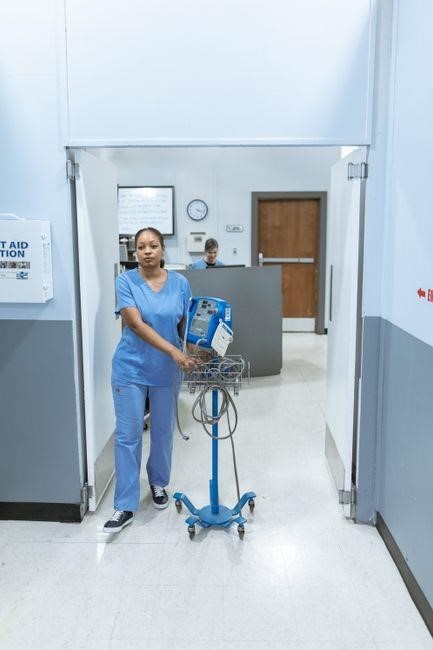
Overview of Howard Medical HI-Care E Cart
The Howard Medical HI‑Care E Cart delivers ergonomic mobility and flexible design tailored to diverse workflows. It automates processes, updates, and communicates efficiently, supporting seamless patient care in modern facilities. Its battery lasts over 8 hours. daily
Design and Ergonomics

Designed with a lightweight frame and adjustable height, the HI‑Care E Cart offers a balance of stability and maneuverability. Its low‑profile wheels and anti‑roll bars ensure safe navigation through narrow corridors and around obstacles. The ergonomic handle is contoured to reduce wrist strain, while the built‑in power‑management system allows the cart to switch seamlessly between battery and mains power, extending operational time without compromising performance. The cart’s modular shelving and integrated tablet mount can be customized to fit a variety of clinical tasks, from medication dispensing to specimen transport. The user interface is intuitive. All components are constructed from medical‑grade materials that meet stringent hygiene standards, enabling easy cleaning and sterilization. The cart’s design also incorporates a built‑in charging dock that aligns with the cart’s charging contacts, simplifying maintenance and reducing downtime. Overall, the HI‑Care E Cart’s ergonomic design supports efficient workflow while minimizing physical fatigue for healthcare staff.
Calibration keeps the cart accurate and secure. The modular design allows replacement of worn parts, extending the cart’s life keeping low across the facility. Firmware updates maintain battery life and safety to ensure compliance !!
Workflow Integration
The HI‑Care E Cart’s design aligns with existing clinical workflows by offering programmable task sequences and real‑time data sync with electronic health records (EHR). Its integrated tablet interface allows staff to scan barcodes, verify medication, and log patient information directly from the cart, reducing manual entry errors. The cart’s automatic update feature downloads firmware patches over Wi‑Fi, ensuring that all units remain compliant with the latest safety standards without manual intervention. With built‑in GPS‑style navigation, the cart can be assigned to specific patient rooms, and its route‑planning algorithm optimizes travel paths, minimizing travel time and avoiding congested areas. The cart’s modular storage compartments can be configured to match the needs of different departments—pharmacy, ICU, or surgical suites—allowing seamless transfer of supplies across units. By integrating with the facility’s inventory management system, the cart automatically tracks stock levels and triggers reorder alerts when supplies fall below threshold, keeping critical items on hand. The cart’s power‑management system monitors battery status and alerts staff when charging is required, preventing downtime during peak hours. Finally, the cart’s communication protocol supports secure messaging between devices, enabling real‑time alerts for medication administration or patient status changes, thereby enhancing coordination among interdisciplinary teams.
Staff training modules are available online, covering navigation, data entry, and troubleshooting, ensuring confidence across all user levels.!!
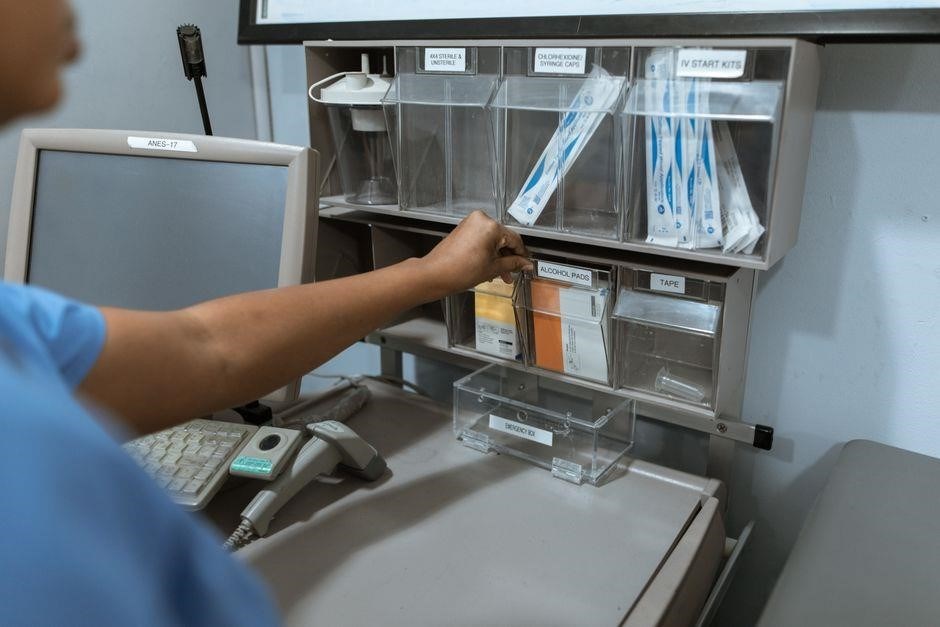
Key Features of the HI-Care E Series
Automated task sequencing, firmware updates, patient‑data sync, and customizable storage modules. Power modes, long‑life battery, and GPS navigation streamline care delivery and inventory control. for all departments!!!
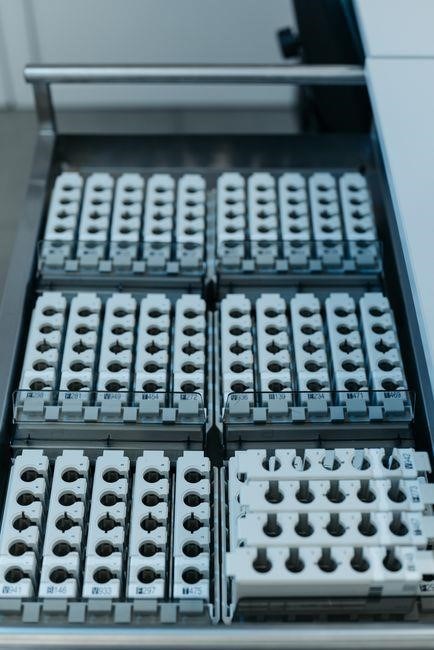
Automation and Updates
The HI‑Care E Series integrates advanced automation to streamline clinical workflows. Each cart is equipped with a programmable task scheduler that can be configured via the touchscreen interface or a dedicated mobile app. Users can set up medication dispensing sequences, inventory checks, and patient‑specific alerts that trigger automatically as the cart moves through predetermined zones. The system logs every action, providing an audit trail that is essential for compliance and quality assurance. Firmware updates are delivered over the network, ensuring that security patches, new features, and performance improvements are applied without manual intervention. The update process is designed to be fail‑safe: a rollback option restores the previous firmware if an issue is detected during installation. To support continuous operation, the cart’s battery management system monitors power usage in real time and schedules charging cycles during low‑traffic periods. When the battery reaches a critical threshold, the cart automatically routes to a charging dock, minimizing downtime. The combination of programmable automation and seamless updates reduces staff workload, increases accuracy, and enhances patient safety across the facility. All updates are logged and verified, ensuring that every change is traceable and compliant with regulatory standards indaily
Communication Capabilities
The HI‑Care E Series boasts robust communication features that enable real‑time data exchange between the cart, central hospital information systems, and mobile devices. Built‑in Wi‑Fi and optional cellular modules allow the cart to connect to the facility network without the need for additional infrastructure. Through secure VPN tunnels, patient data, medication logs, and inventory status are transmitted instantly to electronic health record (EHR) platforms, ensuring that clinicians have up‑to‑date information at the point of care. The cart’s touchscreen interface displays alerts and prompts that are synchronized with the hospital’s scheduling system, reducing manual entry errors. Additionally, the cart can broadcast status messages to a central display or to staff smartphones via push notifications. All communication is encrypted using industry‑standard protocols, and the system logs every transmission for audit purposes. The design also supports interoperability with other medical devices through HL7 and FHIR interfaces, allowing seamless integration into existing workflows. This connectivity framework not only enhances operational efficiency but also improves patient safety by ensuring that critical information is always available where it is needed. (See full manual for details. help!)

Power and Mobility Options
The Howard Medical HI‑Care E Cart offers versatile power configurations to suit varied clinical environments. Users can select a fully powered cart equipped with a high‑capacity lithium‑ion battery that delivers more than eight hours of continuous operation, or a manual, non‑powered version that relies on a lightweight frame and ergonomic handle for easy push‑pull movement. The powered model features an integrated charging dock that accepts a standard 120‑V AC supply; the dock automatically detects battery status and initiates a safe recharge cycle when the cart is docked. For facilities that require uninterrupted service, a dual‑battery backup can be installed, extending runtime to over 12 hours and providing redundancy during power outages. Mobility is enhanced by a four‑wheel caster system with adjustable height, allowing the cart to navigate narrow corridors and uneven flooring. The wheels lock automatically when the cart is stationary, ensuring stability during medication dispensing. When operating in environments with limited power outlets, the cart’s optional USB‑C charging port enables quick top‑up from portable power banks. All power and mobility features are designed to comply with ISO 13485 and IEC 60601‑1 standards, guaranteeing safety and reliability in clinical settings. Technicians should check battery calibration, inspect caster bearings, confirm dock indicator lights to prevent downtime.!!
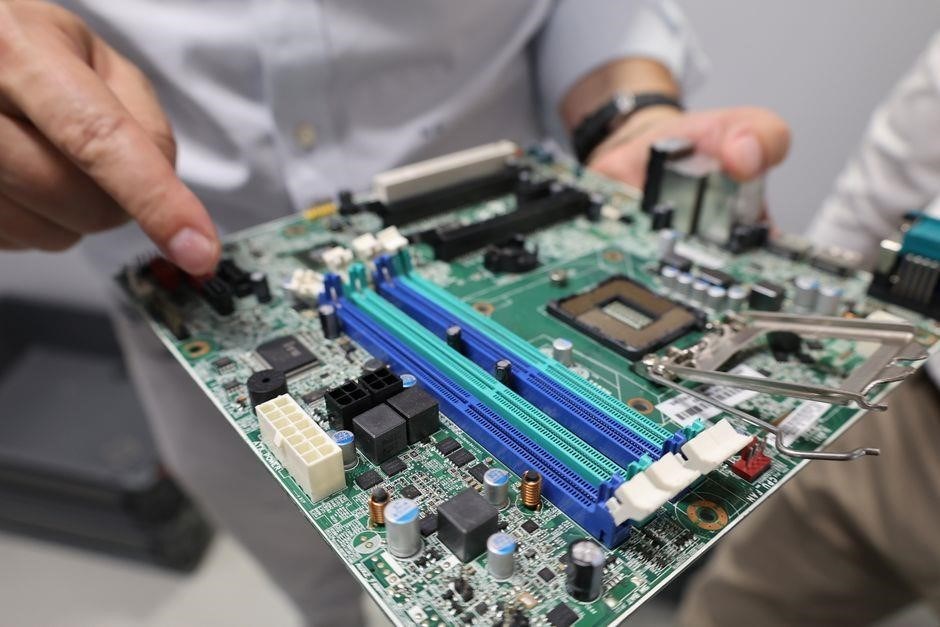
Common Troubleshooting Areas
Common issues include power supply failures, connectivity glitches, and software update errors. Check outlets, reset network, and retry firmware installs. Refer to online repair videos for step‑by‑step guidance. daily help!!!
Power Supply Issues
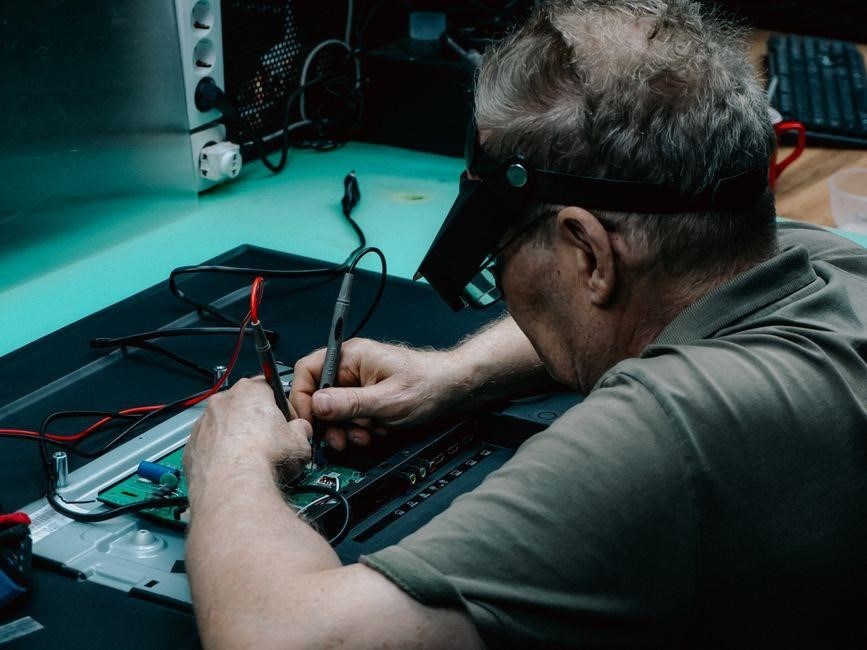
When the HI‑Care E Cart fails to power on or displays a low‑battery warning, the first step is to verify the external power source. Inspect the AC adapter for visible damage, ensure the plug is firmly seated in the outlet, and test the outlet with another device. If the adapter’s indicator light is off, replace the unit with a known‑good model. Next, examine the cart’s internal battery pack: remove it, check for swelling or leakage, and re‑insert it securely. A damaged battery will trigger a shutdown or erratic power behavior. If the cart powers on but drains rapidly, check the power‑management settings in the control panel; reset to factory defaults if necessary. For carts equipped with a removable power cord, verify that the connector on the cart side is not bent or loose. A loose connection can cause intermittent power loss. If all external checks pass, inspect the internal fuse located on the mainboard; a blown fuse will prevent power distribution. Replace the fuse with the correct amperage rating. After completing these steps, reboot the cart and monitor the battery indicator for stability. If issues persist, consult the official repair videos linked on the Howard Medical support site or download the latest user manual from the support downloads page for detailed diagnostics and part replacement procedures. .
Connectivity Problems
When the HI‑Care E Cart fails to establish a network connection, begin by verifying the wireless module status. Check the indicator LEDs on the cart’s front panel; a solid green indicates a healthy link, while a flashing amber signals a retry attempt. If the LED remains off, power cycle the cart: press the main power button for 10 seconds, then release and wait for the boot sequence. Once powered, navigate to the Wi‑Fi settings menu and confirm that the correct SSID is selected. Ensure the password entered matches the network credentials exactly, including case sensitivity. If the cart still cannot connect, inspect the router for MAC‑filtering; add the cart’s MAC address (displayed in the network settings) to the allowed list. Next, verify that the router’s firmware is up to date; outdated firmware can cause handshake failures. If the cart uses a wired Ethernet connection, confirm the cable is securely plugged into both the cart’s Ethernet port and the router. Test the cable with another device to rule out a defective cable. For connectivity, ensure the cart’s module is enabled in the settings and that no other devices are paired simultaneously. Remove any existing pairings, then re‑pair the cart. reset the network module by holding the network reset button for 5 seconds.Again. Check battery health now.
Software Update Failures
When the HI‑Care E Cart reports an update error, begin by verifying the network connection. A weak Wi‑Fi or intermittent Ethernet link can cause checksum mismatches, leading to a failed update. Confirm that the cart’s firmware build number matches the latest release listed on the official support portal. If it is outdated, download the correct firmware package from the user manual download page and transfer it via the USB port. Ensure the cart’s internal clock is synchronized; an incorrect timestamp invalidates the update signature. Prior to updating, back up the cart’s configuration by selecting “Export Settings” from the system menu. During the update, avoid power interruptions—keep the cart connected to a UPS or use the battery backup. If the update stalls, press and hold the reset button for 5 seconds to abort, then retry. Persistent failures may indicate a corrupted firmware image; re‑download the file and verify its checksum against the SHA‑256 value posted on the support site. If the problem persists, consult the official repair videos for step‑by‑step guidance or contact technical support for a service order. Maintaining firmware integrity is essential for safety and compliance. If all steps fail, a visit; the cart will be inspected and a technician will restore firmware to factory settings.

Accessing Repair Resources
To locate repair resources, visit the official Howard website’s support section. Download user manuals, view step‑by‑step repair videos, and request service orders. All materials are free and updated regularly for the HI‑Care E Cart. Use the support portal for help. ASAP!.
Official Repair Videos
For comprehensive visual guidance, Howard Medical directs users to the dedicated Repair Videos page on its support portal. By navigating to this link, technicians can access a curated library of step‑by‑step tutorials covering common issues such as power supply glitches, connectivity hiccups, and firmware update failures. Each video is organized by cart model and problem category, ensuring quick reference for the HI‑Care E Cart. The portal also offers downloadable transcripts and a searchable FAQ section to supplement the visual instructions. Users can pause, rewind, or replay segments to fully grasp intricate procedures, and the videos are updated regularly to reflect firmware revisions and new hardware revisions. This resource streamlines troubleshooting, reduces downtime, and empowers staff to resolve many problems independently, thereby enhancing overall operational efficiency. The videos cover diagnostic steps, routine maintenance, and advanced troubleshooting. Each clip is concise, with on-screen captions and voiceover explanations. Users can download the video files for offline viewing and bookmark sections for quick reference. The portal also provides a search function to locate specific topics, such as battery replacement or firmware rollback procedures, ensuring technicians can resolve issues efficiently. Videos also feature safety reminders in 2 checklists!!.
Downloading User Manuals
To obtain the most up‑to‑date user manuals for the Howard Medical HI‑Care E Cart, visit the official download portal. The dedicated page is accessible via this link. Once on the page, select the “User Manual” filter to narrow the results to the relevant PDF documents. The portal hosts manuals for each cart variant, including the E series, X series, and HI‑Core line, ensuring that technicians can reference the precise instructions for their equipment. Each manual is available in PDF format, optimized for both desktop and mobile viewing. After selecting the desired manual, click the download icon to save the file locally. The PDFs include detailed diagrams, safety warnings, and troubleshooting sections that complement the repair videos. For users who prefer a printed copy, the portal also offers a print‑ready version. Additionally, the download page provides a search bar that allows quick location of specific topics such as “battery replacement” or “firmware update.” Once downloaded, store the manual in a secure, centralized location—such as a shared network drive or a cloud storage folder—so that all team members can access it instantly. Regularly check the portal for updates, as Howard Medical releases new versions to reflect firmware changes or regulatory updates. By keeping a current manual on hand, technicians can reduce downtime, avoid costly mistakes, and maintain compliance with industry standards. All documents are signed by Howard Medical and are binding. They are also archived for audit purposes now
Preventive Maintenance Practices
Perform visual checks, clean all surfaces with approved wipes, inspect wheels and power connectors, and verify firmware is current. Log each session, replace worn parts promptly, and schedule quarterly diagnostics to ensure peak performance
Routine Cleaning and Inspection
Daily cleaning of the HI‑Care E Cart is essential for optimal performance and hygiene. Use a non‑abrasive, hospital‑grade disinfectant to wipe all external surfaces, including the handle, wheels, and charging port. Avoid spraying liquids directly onto the electronics; instead, dampen a microfiber cloth and gently wipe. Inspect the caster assembly for debris or damage; replace any worn bearings or seals immediately. Check the battery compartment for corrosion or loose connections, and ensure the charging cable is intact and free of frays. Verify that the cart’s firmware is up to date by accessing the onboard menu; if an update is available, follow the on‑screen prompts to install it. Log each cleaning session in the maintenance logbook, noting the date, time, and any anomalies observed. Perform a functional test after cleaning: power on the cart, confirm the display responds, and verify all buttons and touch inputs operate correctly. If any issues arise, document them and schedule a repair or further inspection. Regular cleaning and inspection reduce downtime, extend component life, and maintain compliance with healthcare facility standards.Adhering to these practices not only protects equipment longevity but also ensures compliance with institutional safety protocols, boosting care daily quality!
Firmware and Software Checks
Before initiating any troubleshooting, confirm the cart’s firmware and software are up to date. Navigate to the Settings menu by tapping the gear icon on the touch screen. The current firmware version is displayed in the About section; cross‑reference this number with the latest release available on HowardComputers.com/support/downloads.cfm?type=User%20Manual. If the cart is running an older version, download the newest firmware package from the official site and copy it to the cart via the USB port. Follow the on‑screen installation prompts, ensuring the cart remains powered throughout the process. After the update, reboot the device and verify the firmware number has incremented. For software, open the System Logs under the Diagnostics tab and look for error codes such as 0x01 or 0x02, which indicate communication or update failures. If any errors appear, clear the log, re‑run the update, and monitor the log for new entries. Always back up configuration settings before performing major changes. Record each firmware check in the maintenance log, noting the date, version, and any anomalies observed. Regular firmware verification prevents compatibility issues, keeps the cart’s security patches current, and ensures reliable operation during clinical workflows. Additionally, use the built‑in checksum verification after each update to confirm data integrity; if the checksum fails, re‑download the firmware and repeat the installation process. Maintain a log of all firmware actions for audit.