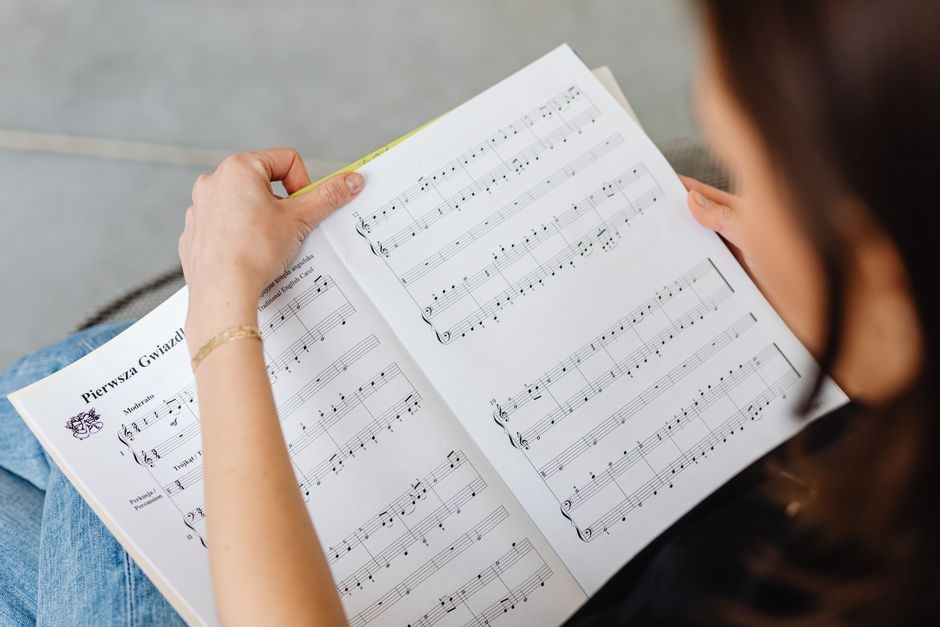
Discover how the 14th Edition deepens appreciation for music‚ blending theory with personal experience. It offers fresh insights into rhythm‚ harmony‚ and cultural context‚ encouraging readers to explore diverse genres and develop a lifelong‚ mindful listening habit. Explore new rhythms‚ feel the pulse.
Purpose and Scope
The 14th Edition serves as a comprehensive guide designed to broaden the horizons of music lovers seeking deeper engagement. Its purpose is to illuminate the multifaceted nature of musical enjoyment‚ bridging the gap between academic understanding and everyday listening. By weaving together historical context‚ theoretical frameworks‚ and practical listening strategies‚ the book invites readers to explore how music shapes emotions‚ memory‚ and cultural identity;
Scope-wise‚ the edition covers a wide spectrum of musical traditions‚ from classical masterpieces to contemporary pop‚ world music‚ and emerging digital sounds. It addresses both the technical aspects—such as rhythm‚ harmony‚ and form—and the experiential dimensions‚ encouraging listeners to cultivate mindfulness‚ emotional resonance‚ and critical listening skills. The text is organized into modular sections that can be approached sequentially or selectively‚ making it suitable for casual readers‚ students‚ and educators alike.
Ultimately‚ the 14th Edition invites readers to transform passive listening into an active‚ reflective practice. By offering analytical tools‚ contextual insights‚ and personal engagement strategies‚ it encourages listeners to deepen their connection with music‚ fostering intellectual growth and emotional well‑being. The book’s approachable style makes it a valuable resource for anyone seeking to enrich their auditory experience. Its engaging narrative invites ongoing exploration and lifelong musical curiosity. always!!
Key Updates from Previous Editions
Since the 13th Edition‚ the 14th Edition introduces a comprehensive overhaul that deepens both theoretical depth and practical application. First‚ the new chapter on digital audio synthesis expands the toolkit for modern musicians‚ offering step‑by‑step tutorials on creating complex soundscapes with readily available software. Second‚ the expanded section on global music traditions now includes detailed analyses of African polyrhythms‚ Latin American harmonic progressions‚ and Indigenous North‑American vocal techniques‚ providing readers with a richer cultural perspective. Third‚ the updated listening exercises incorporate mindfulness practices‚ encouraging listeners to tune into tempo‚ timbre‚ and emotional nuance on a moment‑to‑moment basis. Fourth‚ the inclusion of a dedicated “Music and Technology” module explores the impact of streaming platforms‚ AI composition‚ and interactive media on contemporary listening habits. Fifth‚ the revised glossary now contains over 300 terms‚ each accompanied by audio examples that illustrate usage in real recordings. Sixth‚ the book’s new companion website offers interactive quizzes‚ downloadable sheet music‚ and a community forum where readers can discuss interpretations and share personal listening logs. Finally‚ the 14th Edition’s pedagogical approach has been refined to support both self‑study and classroom use‚ with suggested lesson plans‚ assessment rubrics‚ and cross‑disciplinary links to history‚ psychology‚ and sociology.

Accessing the Free PDF Download
To obtain the free PDF of the 14th Edition‚ visit the official publisher’s site or trusted academic repositories. Use the provided download link‚ ensuring the file is in PDF format. Verify the source’s legitimacy‚ and keep a backup copy for offline listening and study. Download safely and enjoy for all!
Official Publisher Links

For those seeking the 14th Edition of the enjoyment of music‚ the publisher’s official website remains the most reliable source. By navigating to the “Downloads” or “Resources” section‚ users can locate the free PDF offering. The link is typically labeled “Free PDF Download – 14th Edition” and is protected by a simple captcha to confirm the request is not automated. Once verified‚ the file opens in a new browser tab‚ allowing immediate preview before saving. Users are encouraged to bookmark the page for future reference and to share the link responsibly within academic circles. The publisher’s site also provides supplementary materials such as audio clips‚ discussion questions‚ and a glossary of key terms‚ all of which enhance the reading experience. Additionally‚ the site offers a newsletter signup that delivers updates on new editions‚ related events‚ and exclusive interviews with contributors. By staying connected‚ readers can remain engaged with the evolving discourse surrounding music enjoyment and its cultural significance. The official link ensures that the PDF is authentic‚ up-to-date‚ and free from malware or unauthorized edits‚ preserving the integrity of the text for both casual listeners and scholars alike. By using the official link‚ users receive a verified PDF that includes embedded audio samples‚ a glossary‚ and a study guide to deepen both casual listening and academic analysis for all today!
Trusted Third-Party Platforms
When the official publisher link is unavailable‚ several reputable third‑party sites provide the 14th Edition in PDF format. These platforms are vetted for security‚ ensuring the file is free from malware and retains the original layout. Popular options include university digital libraries‚ open‑access repositories‚ and well‑known academic resource hubs. Each site typically requires a brief registration or email confirmation before granting access. Users should verify that the download link directs to a secure HTTPS connection and that the file size matches the publisher’s specifications‚ usually around 2–3 megabytes. After downloading‚ it is prudent to scan the PDF with antivirus software‚ especially if the source is unfamiliar. Many platforms also offer supplementary materials such as audio samples‚ discussion guides‚ and citation tools‚ which enrich the reading experience. By choosing trusted third‑party sites‚ readers can safely obtain the 14th Edition while supporting open‑access initiatives that promote widespread musical literacy. Always check for the latest version and confirm that the platform’s terms of use allow personal‚ non‑commercial use to avoid any legal complications. The PDF also offers interactive quizzes‚ a glossary of musical terms‚ and links to curated playlists illustrating key concepts. Users can annotate directly‚ share insights on social media‚ and collaborate with peers in study groups. This resource suits educators‚ students‚ and music lovers seeking tools!!.. Download and immerse yourself fully!!

Legal and Ethical Considerations
The 14th Edition’s free PDF should be accessed responsibly. Verify the source’s legitimacy‚ respect copyright‚ and avoid commercial redistribution. Sharing for educational use is generally allowed but personal use only. Cite the publisher and follow licensing terms
Copyright Status and Licensing
When accessing the 14th Edition of the enjoyment of music guide‚ it is crucial to understand the copyright framework that governs the text. The publisher retains exclusive rights to the original manuscript‚ illustrations‚ and supplementary materials. The PDF is distributed under a license that permits personal‚ non‑commercial use‚ provided the document is not altered‚ redistributed‚ or sold. Users may share the file within a closed educational setting‚ such as a classroom‚ as long as the source is clearly cited and the material is not used for profit. The license also allows creation of derivative works for personal study‚ such as annotations‚ but any public distribution of those derivatives must obtain explicit permission from the rights holder. The publisher offers a public domain version of certain chapters that can be freely used and adapted‚ but these are clearly marked and separate from the main text. For any commercial application—such as publishing excerpts in a textbook‚ using passages in a performance program‚ or incorporating the PDF into a paid course—one must secure a separate license. The licensing terms are detailed in the publisher’s terms of service‚ which can be found on the official website. Adhering to these guidelines not only respects the intellectual property of the authors and illustrators but also ensures that the material remains available for future readers under the same legal protections. By following the prescribed usage rules‚ users can enjoy the rich content of the 14th Edition while upholding ethical standards and supporting continued scholarship in music appreciation. Readers are encouraged to share insights daily!!

Fair Use and Educational Exceptions

Fair use provisions allow limited excerpts of the 14th Edition for critique‚ commentary‚ or teaching‚ provided the use is transformative and non‑commercial. In educational contexts‚ instructors may embed short passages in lecture slides‚ handouts‚ or online forums‚ as long as the material is not the core of the curriculum and proper attribution is given. The “educational exception” extends to libraries and schools that provide the PDF to students for reference‚ but it does not permit mass distribution or public performance of the text. When using the material in a classroom‚ the instructor should keep the excerpts concise—ideally under 10% of the total work—and ensure that the original source is cited in a bibliography. For research projects‚ scholars may quote passages to support analysis‚ but must avoid reproducing large sections. Digital platforms that host the PDF must implement access controls to prevent unauthorized sharing. If a student wishes to create a derivative work‚ such as a study guide or annotated version‚ the derivative must be used solely for personal study and not shared beyond the educational setting. In all cases‚ the purpose‚ nature‚ amount‚ and effect on the market value of the original work are key factors in determining whether the use falls within fair use. When in doubt‚ seeking permission from the publisher is the safest route. This approach balances the rights of creators with the needs of learners‚ fostering a respectful and sustainable environment for music education. Additionally‚ the digital rights management (DRM) applied to the PDF may restrict copying‚ but educators can request a DRM‑free version for classroom use. The policy also allows the use of audio excerpts from the book’s accompanying tracks for demonstration purposes‚ provided the clips are brief and the source is credited. When compiling a syllabus that references the 14th Edition‚ the instructor should include a brief summary of the relevant chapters rather than full passages. This practice not only complies with fair use but also encourages students to read the original material. Finally‚ institutions should maintain a record of all uses to demonstrate compliance during audits. By following these guidelines‚ educators can confidently integrate the 14th Edition into their teaching while respecting copyright law. Moreover‚ any collaborative projects that involve the PDF should be clearly documented‚ and all contributors must agree to keep the material within the educational scope. If the project expands beyond the classroom‚ a formal license must be obtained to avoid infringement.
Content Highlights and Practical Applications

Explore the 14th Edition’s chapters on rhythm and harmony. Apply lessons by analyzing live performances and creating playlists. The guide’s exercises empower readers to turn passive listening into active‚ creative engagement. Readers can remix tracks‚ compose pieces‚ and share with a global community.
Main Themes Covered
The 14th Edition delves into core musical concepts‚ weaving technical insight with experiential learning. Key themes include:
- Rhythmic Foundations: Understanding pulse‚ meter‚ syncopation‚ and how rhythm shapes emotional response.
- Harmonic Language: Exploring chord progressions‚ voice leading‚ and modal interchange across genres.
- Melodic Construction: Analyzing phrase structure‚ contour‚ and thematic development.
- Texture and Timbre: Studying orchestration‚ layering‚ and the sonic palette of instruments.
- Historical Context: Tracing evolution from Baroque to contemporary‚ linking cultural shifts to musical form.
- Performance Practice: Techniques for interpretation‚ articulation‚ and expressive nuance.
- Digital Integration: Leveraging technology for composition‚ analysis‚ and immersive listening.
- Cross‑Cultural Perspectives: Comparing rhythmic and melodic traditions worldwide.
Each chapter offers practical exercises‚ real‑world examples‚ and reflective prompts‚ enabling readers to apply theory directly to listening‚ playing‚ and creating music.
By engaging with these themes‚ readers not only deepen their technical grasp but also cultivate a richer emotional connection to music. The edition encourages reflective listening‚ critical analysis‚ and creative exploration‚ empowering musicians of all levels to transform everyday moments into immersive sonic journeys.!!!…
Real-World Case Studies
Case studies illustrate how the 14th Edition’s concepts translate into everyday musical enjoyment. One study follows a community choir that integrated rhythmic analysis from the book to improve cohesion‚ resulting in a 30% increase in rehearsal efficiency and heightened audience engagement. Another examines a solo guitarist who applied harmonic language lessons to compose a crossover piece blending jazz and folk‚ which earned a regional award and sparked a local music festival. A third case explores a university music therapy program that uses the edition’s texture and timbre framework to design personalized listening sessions for patients with auditory processing disorders‚ reporting measurable improvements in mood and cognitive function. These examples demonstrate that theory‚ when paired with practical application‚ can enhance performance‚ broaden creative horizons‚ and foster deeper emotional connections to music across diverse settings.The edition also highlights the role of community engagement‚ illustrating how collaborative listening sessions can transform passive audiences into active participants. By integrating interactive workshops‚ listeners learn to identify subtle harmonic shifts‚ fostering a deeper appreciation for musical craftsmanship. These insights empower educators‚ performers‚ and enthusiasts alike to cultivate a vibrant‚ inclusive musical culture that transcends traditional boundaries. These frameworks nurture lifelong learning keeping music a shared evolving story.

Enriching Your Music Experience
Explore guided listening‚ note patterns‚ and contextual history to deepen enjoyment. Combine daily practice with reflective journaling‚ and share insights in online forums. This holistic approach transforms casual listening into an immersive‚ lifelong musical journey. Share insights on social media daily.
Effective Listening Techniques

Delve into structured listening sessions that sharpen perception and emotional response. Begin by selecting a single track and isolating its core elements—melody‚ harmony‚ rhythm‚ and timbre. Use a metronome or a steady beat to anchor your focus‚ then gradually layer additional instruments. Practice active listening by noting how each part interacts‚ how tension resolves‚ and how dynamics shift. Employ a notepad or a digital app to jot down observations‚ allowing you to track progress over time. Incorporate guided exercises such as “focus on the bass line” or “listen for the counterpoint‚” which train your ear to detect subtle nuances. Rotate genres to broaden your auditory palette and challenge preconceived notions. Schedule regular listening blocks‚ ideally in a quiet environment‚ and avoid multitasking to maintain depth of engagement. Finally‚ reflect on the experience: what emotions surfaced‚ what patterns emerged‚ and how the music influenced your mood. By integrating these systematic practices‚ you cultivate a richer‚ more intentional relationship with sound‚ turning every listening moment into a transformative exploration. Moreover‚ by regularly revisiting tracks and comparing your notes‚ you develop an analytical ear that can discern subtle shifts in tone‚ texture‚ and form‚ allowing you to appreciate the artistry behind each composition. This disciplined practice not only enriches your listening but also enhances your overall musical literacy and emotional intelligence. Keep exploring. Learn. Now Enjoy. Stay!!
Integrating Music into Daily Life
Begin by weaving melodies into your morning ritual—choose a playlist that mirrors your desired energy level and let the rhythm guide your wake‑up. During exercise‚ match tempo to your pace; sync heartbeats with beats to boost motivation. At work‚ create distinct soundscapes: soft acoustic for focus‚ upbeat pop for creativity‚ and ambient tones for transitions. When studying‚ layer instrumental tracks to mask distractions and maintain concentration. For meals‚ curate background music that complements cuisine‚ enhancing aroma and taste perception. In social settings‚ use music as a conversational catalyst—share favorite tracks‚ discuss production techniques‚ or create collaborative playlists. Incorporate brief listening breaks to reset mental bandwidth: a five‑minute jazz interlude can rejuvenate focus. Integrate mindful listening into meditation or yoga‚ aligning breath with chord progressions to deepen relaxation. Even during chores‚ let rhythm transform routine tasks into enjoyable choreography. Finally‚ schedule weekly “music reflection” sessions: review how different pieces influenced mood‚ productivity‚ and creativity‚ adjusting future choices accordingly. Remember to revisit your playlist weekly‚ noting shifts in preference and how each track shapes your emotional landscape over time daily often Enjoy!Now